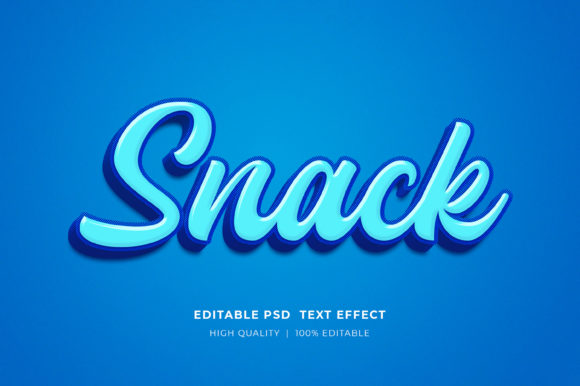
Mastering the Snack Editable 3D Text Style Effect: A Guide for Creative Projects
In today’s digital world, visual appeal is more important than ever. Whether you're designing a poster, a website banner, or a book cover, having access to high-quality and easy-to-edit design elements can make all the difference. One such powerful tool is the Snack Editable 3D Text Style Effect, along with its mockup counterpart, which allows users to create stunning 3D text effects without needing advanced design skills. These resources are especially useful for those working in marketing, education, graphic design, and even small businesses looking to enhance their branding materials.
What Is the 3D Editable Text Style Effect?
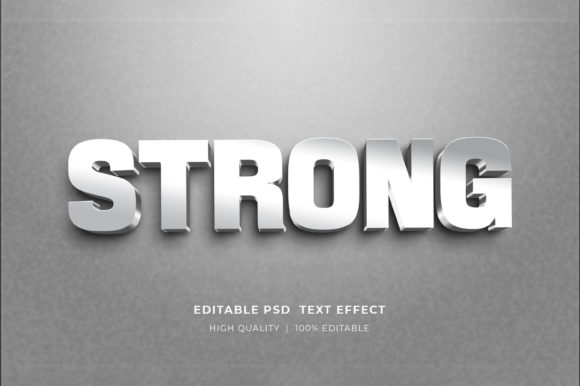
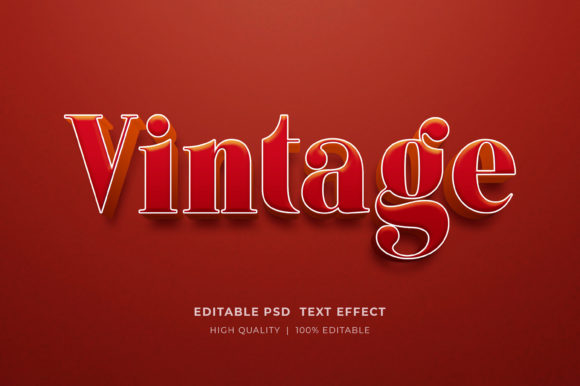
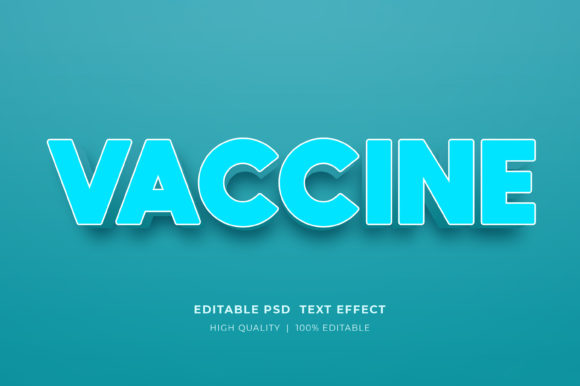
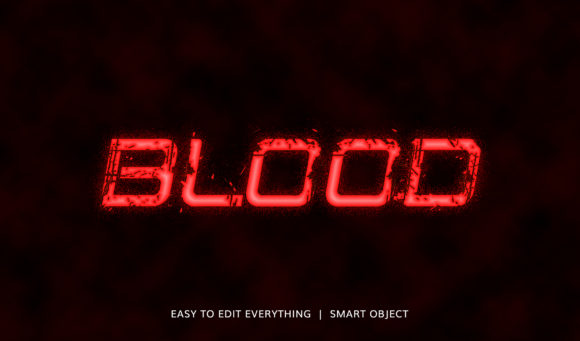
The 3D editable text style effect is a Photoshop design file that enables users to apply a three-dimensional look to any text they input. This effect is commonly used in logos, icons, banners, and other visual projects where depth and dimension add impact. The key feature of this type of file is that it's built using Smart Objects, making it highly customizable and user-friendly.
A Smart Object in Adobe Photoshop is essentially a container that holds your artwork — whether it's a shape, vector image, or text — allowing you to scale and transform it without losing quality. When you open a 3D text style effect as a Smart Object, you’re given the freedom to edit the content inside while preserving the original design integrity.
Why Use an Editable 3D Text Style Effect?
Using an editable 3D text style effect offers several advantages:
- Time-saving: Instead of building a 3D text effect from scratch, you can simply replace the text and get a professional result instantly.
- Consistency: The same 3D style can be applied across multiple projects, ensuring a cohesive brand identity.
- Customization: You can change not only the text but also colors, fonts, and other design elements to suit your needs.
- High-resolution output: Most files come in RGB color mode or are optimized for print, so they look sharp on both digital and physical media.
This makes these effects ideal for use in flyers, posters, T-shirt designs, web banners, and more. They help elevate your work by adding a modern and eye-catching dimension that stands out in crowded visual spaces.
How to Use the Snack Editable 3D Text Style Effect
If you’ve ever struggled with editing text in complex Photoshop files, the Snack Editable 3D Text Style Effect is here to simplify things. Here’s a step-by-step guide to using it effectively:
- Open the PSD File: After downloading the file (usually in a zipped format), extract it by right-clicking the zip folder and selecting “Extract Here.” Once extracted, open the .psd file in Adobe Photoshop.
- Locate the Smart Object Layer: In the Layers panel, find the layer labeled as a Smart Object. It will often have a special icon indicating it contains editable content.
- Edit the Text: Double-click on the Smart Object to open it in a new tab. Inside, you’ll see the base text that has been styled with the 3D effect. Select the Type Tool (T) and click on the existing text. You can now delete it and type your own message.
- Adjust Colors and Fonts: If the design includes color layers or gradients, double-click those as well to modify them. You can change font styles, sizes, and colors to match your project requirements.
- Save and Close: Once you’ve made your edits, save the changes and close the Smart Object tab. Your new text will now reflect the 3D styling in the main document.
Thanks to this process, you don’t need to be a seasoned designer to achieve impressive results. Even beginners can quickly learn how to manipulate these files and bring creative ideas to life.
Real-World Applications of the 3D Text Style Effect
The versatility of the 3D editable text style effect means it can be used in a wide range of contexts. Let’s explore some practical applications:
- Marketing Materials: From Facebook timelines to web banners, 3D text adds a dynamic feel to promotional content. For example, a local bakery might use a snappy 3D text logo for their social media posts to attract attention and reinforce their brand.
- Logo Presentations: Designers can showcase different variations of a logo using the same 3D text effect. This helps clients visualize how the logo would appear in various formats and settings.
- T-Shirt and POD Designs: Print-on-demand platforms like Printful or Teespring allow creators to upload custom designs. Using a 3D text style ensures your design looks bold and modern on clothing items.
- KDP Book Covers: Authors aiming to publish on Kindle Direct Publishing (KDP) can benefit from using a 3D text effect to make their book covers visually appealing and stand out among competitors.
- Print Templates: Brochures, business cards, and invitations become more engaging when enhanced with 3D typography. These templates are perfect for small businesses or individuals launching a personal brand.
Each of these scenarios demonstrates how a single 3D text effect can serve multiple purposes and streamline the design workflow significantly.
Understanding the Mockup Component
Beyond just the text effect itself, many packages include a 3D editable text style effect mockup. A mockup is a pre-designed layout that shows how your text or logo would look in real-world contexts. These mockups are invaluable because they allow you to present your design in a realistic environment, such as on a phone screen, billboard, or product packaging.
Mockups are typically layered and organized within the Photoshop file, meaning you can easily drag and drop your edited text into the designated area. Some mockups even offer lighting and shadow adjustments, giving your design a polished, professional appearance.
Examples of How to Use the Mockup
Let’s say you've created a new logo using the 3D text effect. To show potential clients how it looks on merchandise, you can place it onto a mockup of a T-shirt or a mug. Similarly, if you're designing a website banner, you can preview it in a browser window mockup before finalizing the layout.
Making these adjustments is simple. Just locate the smart object in the mockup layer, double-click to edit the text or background, and then return to the main canvas to see the updated design in context. This level of control is rare in most free design tools and is one reason why professionals rely on Photoshop for such tasks.
Key Features to Look For
When choosing a 3D editable text style effect or mockup package, there are several features to consider that ensure ease of use and flexibility:
- Single PSD File: Having everything in one file simplifies the editing process and avoids confusion between multiple documents.
- Well-Organized Layers: A good design should separate text, colors, backgrounds, and effects into distinct layers, making it easier to customize each element independently.
- Editable Text and Elements: Confirm that both the text and supporting elements (like icons or shapes) can be modified. This gives you complete creative freedom.
- RGB or CMYK Color Mode: Choose a file that matches your intended output. RGB is best for digital displays, while CMYK is suitable for print.
- High Resolution: For print or large-scale visuals, a resolution of at least 300 DPI is recommended to avoid pixelation.
These features collectively contribute to a seamless user experience and ensure your final design meets the highest standards of professionalism and clarity.
Common Misconceptions About 3D Text Effects
Despite their popularity, there are still a few misunderstandings about 3D text effects and how they function in Photoshop:
- Misconception 1: “You need advanced skills to use 3D text effects.”
Reality: Many 3D text effects are designed specifically for ease of use. With a basic understanding of Smart Objects and layers, anyone can customize them. - Misconception 2: “3D text looks too gimmicky for professional designs.”
Reality: When used thoughtfully, 3D text can add depth and sophistication to a design. It’s a popular choice in modern branding and advertising. - Misconception 3: “I can’t reuse the same 3D effect for multiple projects.”
Reality: These files are meant to be reused and adapted. Simply duplicate the Smart Object and apply it to new text or images for fresh variations.
By addressing these misconceptions, you can better appreciate the value and flexibility of 3D text effects in your creative toolkit.
Getting Started with the 3D Text Effect Files
Once you’ve downloaded the Snack Editable 3D Text Style Effect and its mockup companion, getting started is straightforward. Here’s a quick recap of the setup process:
- Download the zipped file from your preferred marketplace or creator site.
- Right-click the zip folder and select “Extract Here” to decompress the contents.
- Open the extracted .psd file in Adobe Photoshop.
- Double-click the Smart Object layer to edit the text, colors, or other elements.
- Preview the changes in the main document or within the included mockup scenes.
- Export the final design in your desired format (JPEG, PNG, etc.) for use in your project.
Throughout this process, it's essential to understand the structure of the Photoshop file. Typically, the text effect will be nested within a Smart Object, and the mockup will include placeholders for your design. Taking a moment to explore the layers and naming conventions can greatly improve your efficiency.
Tips for Customizing the 3D Text Effect
To maximize the potential of your 3D text effect, consider these tips:
- Experiment with Fonts: Different fonts react differently to 3D effects. Try pairing the effect with serif, sans-serif, or script fonts to find the perfect match for your project.
- Play with Lighting and Shadows: Adjust the light source angle and shadow depth to create dramatic or subtle 3D effects, depending on your aesthetic goals.
- Combine with Other Assets: Add icons, illustrations, or background textures to enhance the overall composition and give your design more personality.
- Use Gradients or Patterns: If the design supports it, try replacing flat colors with gradients or patterns for a more dynamic look.
With these strategies, you can take a standard 3D text effect and turn it into something truly unique and tailored to your specific needs.
Who Can Benefit from Using These Effects?
While graphic designers are the primary users of 3D text effects, these tools can also be valuable for a variety of other professionals and hobbyists:
- Marketers: Create compelling visual assets for campaigns, landing pages, and social media promotions.
- Entrepreneurs: Develop logos and branding materials that align with their business identity.
- Educators: Produce engaging presentation slides or educational posters with a modern twist.
- Content Creators: Enhance YouTube thumbnails, Instagram stories, or TikTok overlays to capture viewer attention.
- Students: Those learning graphic design can use these effects to practice layer management, typography, and mockup integration.
Essentially, anyone who wants to produce high-quality visual content without investing time in complex 3D modeling can benefit from using an editable 3D text style effect.
Where to Find and Use These Resources
There are numerous online marketplaces where you can find editable 3D text style effects and mockups. Popular sites like Envato Elements, Creative Market, and Etsy offer a wide selection of ready-to-use files. When purchasing, always check the description for compatibility with your version of Photoshop and confirm that the file includes all necessary components, such as fonts or mockup scenes.
Once you’ve acquired the resource, you can integrate it into your workflow for:
- Designing Facebook timeline covers that pop visually
- Creating logo presentations for clients or stakeholders
- Producing print templates for events or products
- Enhancing web banners with depth and texture
- Developing KDP book covers that catch the reader’s eye
Whether you're creating for digital or print, these effects provide a solid foundation for your creative work.
Conclusion
The Snack Editable 3D Text Style Effect and its accompanying mockups are incredibly valuable tools for anyone involved in design. Their ease of use, combined with the ability to produce high-quality outputs, makes them a must-have in your creative arsenal. As we’ve seen, these effects are not limited to a specific industry or skill level — they can be utilized in marketing, education, publishing, and beyond.
By following the steps outlined above and experimenting with different customization options, you can unlock the full potential of 3D text effects and create visuals that truly stand out. And remember, if you ever need guidance or run into issues, reaching out to the creator through their profile page can provide helpful support and insights.
If you found this resource useful and want to encourage others to discover it too, please consider leaving a 5-star rating. Positive feedback motivates creators to continue producing innovative and accessible design solutions.
Now that you know how to harness the power of 3D text effects, it's time to start exploring and enhancing your next project with a touch of creativity and depth!