3D Vector Fluid: A Powerful Design Tool for Backgrounds and More
Designers, marketers, educators, and entrepreneurs are always on the lookout for versatile assets that can elevate their projects. One such asset is 3D Vector Fluid, a dynamic and scalable design element that adds depth and visual interest to backgrounds, social media graphics, posters, websites, and more. Unlike static images or raster-based designs, 3D Vector Fluid offers flexibility in editing, scaling, and customization—making it an ideal choice for professionals and beginners alike.
What Is 3D Vector Fluid?
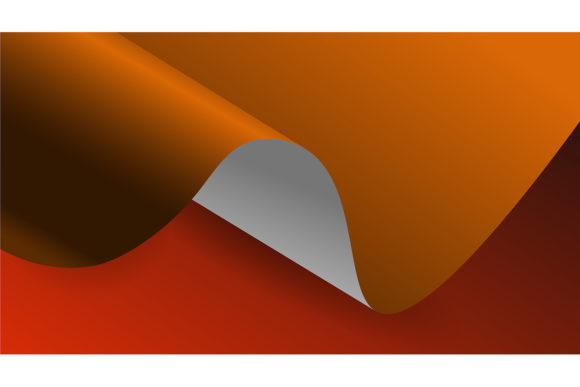
3D Vector Fluid refers to stylized vector illustrations that mimic the flow and movement of liquid in three dimensions. These designs often feature organic shapes, smooth gradients, and realistic textures that create a sense of motion and fluidity. The beauty of using vectors for this purpose is that they maintain clarity at any size, ensuring your visuals look sharp whether printed on a business card or displayed on a large poster.
These files are typically provided in formats like EPS 10, which is fully vector-based and compatible with Adobe Illustrator. This means you can scale them infinitely without losing quality, change colors effortlessly, and modify individual elements to suit your creative vision.
Why You Should Care About Using 3D Vector Fluid
In today’s digital landscape, high-quality, adaptable visuals are essential. Whether you're designing a website background, crafting a social media banner, or preparing marketing materials, 3D Vector Fluid can help you stand out. Its seamless integration into various platforms and its ability to adapt to different color schemes and layouts make it a favorite among graphic designers and content creators.
Additionally, because these files are vector-based, they allow for precise control over every detail. You can adjust stroke widths, transparency levels, and even reshape parts of the design to fit your specific needs. This level of customization ensures that your final output looks professional and tailored to your brand or project.
Mistake 1: Assuming All Vector Files Are Editable
Not all vector files are created equal. Some may contain embedded raster elements or be grouped in a way that makes individual edits difficult. When purchasing or downloading 3D Vector Fluid, always verify that the file is truly 100% vector and not just a flattened version. Look for clear descriptions that specify compatibility with Adobe Illustrator and confirm that layers are accessible and editable.
A better approach is to open the file in Illustrator before committing to a project. This allows you to see if the components are separated and if you can tweak each one as needed. If not, you might end up spending extra time trying to rework the design or facing limitations that affect your creativity.
Mistake 2: Ignoring Color Customization Options
Many users overlook the importance of color options when selecting 3D Vector Fluid. While the sample preview image may look stunning, it's crucial to ensure that the colors used in the design can be easily edited. Some vector files lock colors in place, making it hard to match brand guidelines or seasonal themes.
Always check the product description for mentions of editable colors or layered objects. If the file includes both solid and gradient-filled shapes, you should be able to recolor it efficiently. For example, imagine you’re creating a summer campaign poster and want to use coral and turquoise tones instead of the default blue and green in the downloaded file. If the colors aren’t editable, you’ll need to manually adjust each shape, wasting valuable time and effort.
Mistake 3: Underestimating File Format Compatibility
Just because a file is labeled as “vector” doesn’t mean it works perfectly across all software. Make sure the 3D Vector Fluid you download is in a format compatible with your workflow tools. EPS 10 is widely supported by most design programs, but if you're working in Inkscape or CorelDRAW, double-check that the file will import correctly and retain all vector qualities.
If you're unsure, ask the seller for confirmation or look for user reviews that mention successful imports into different software. Avoiding this mistake ensures smoother workflows and fewer frustrations during the editing process.
Mistake 4: Overlooking Resolution Needs for Print vs. Digital
While 3D Vector Fluid is resolution-independent and perfect for digital use, some users mistakenly assume it won’t require attention when used for print. That’s not entirely true. Even though vectors scale well, when exporting for print, you must consider how the design interacts with other elements and the printer’s requirements.
For instance, if you're printing a brochure with a fluid background, ensure that the contrast between the background and text is sufficient. Sometimes, overly complex vector fluid can clash with typography, especially in grayscale prints. Always test the layout with a low-cost proof or consult with your printer about recommended background complexity levels.
Backgrounds for Websites and Apps
Using 3D Vector Fluid as a background can give your site or app a modern, artistic feel. However, avoid using too many overlapping elements, which can slow down loading times or distract from the main content. Keep the design subtle and let it complement rather than compete with your message.
Tip: Use the sample preview in JPEG to get a sense of how the fluid design will look in context. If the preview seems too busy, consider simplifying the vector layout before applying it as a background.
Social Media and Banners
On platforms like Instagram, Facebook, or LinkedIn, first impressions matter. 3D Vector Fluid can help create eye-catching banners and posts that draw attention. But again, moderation is key. Too much motion or texture can make your call-to-action less visible or harder to read.
Example: A marketing team wanted to promote a new product using a vibrant banner. They initially used a full-fluid background but found the text was getting lost. By reducing the fluid coverage to the sides and using a transparent center, the message became clearer while still maintaining a visually appealing edge.
Posters, Covers, and Postcards
When designing posters or covers, 3D Vector Fluid can add a touch of elegance and uniqueness. It’s especially effective for event promotions, book covers, or educational materials where visual appeal plays a big role. Just remember to balance the design so it doesn’t overshadow important information.
Pro tip: Try placing the fluid design behind a central image or title. This creates a layered effect without compromising readability. Also, experiment with blending modes in Adobe Illustrator to achieve different moods, from subtle to dramatic.
Digital Paper and Wallpapers
Creating custom digital paper or wallpapers is a great use case for 3D Vector Fluid. Since these often cover larger areas or repeat patterns, scalability and performance are vital. Vector fluid works well here because it remains crisp at any size and doesn’t pixelate when zoomed in.
Before finalizing, export the design in multiple resolutions and test it on different screens. A wallpaper that looks great on a smartphone might appear cluttered on a desktop monitor. Adjust accordingly to maintain usability and aesthetics across devices.
Practical Tips to Maximize Your 3D Vector Fluid Experience
- Open the file in Adobe Illustrator first: This gives you a clear idea of how customizable it is and helps catch issues early.
- Edit smartly: Instead of changing every object individually, group similar elements and apply global color changes to save time.
- Use the JPEG preview wisely: It's a helpful reference, but don’t rely solely on it. Open the vector file to explore all possibilities.
- Consider layering: Combine fluid vector graphics with flat design elements to enhance visual hierarchy without overwhelming the viewer.
- Test in real-world scenarios: Whether for print or digital use, always do a quick mockup or preview before finalizing your design.
Things to Check Before Downloading or Purchasing
To avoid poor decisions and wasted resources, here are a few things to keep in mind before buying or downloading 3D Vector Fluid:
- Ensure the file is 100% vector: This guarantees scalability and high-quality results across all uses.
- Check for editable layers: Fully editable objects make customization easier and faster.
- Verify software compatibility: Confirm the file works with your preferred design tool (e.g., Adobe Illustrator).
- Review the JPEG preview: It should accurately represent what you'll get in the vector file.
- Look for customer support or documentation: Some sellers include guides or tutorials to help you make the most of the design.
Realistic Examples of Good and Bad Usage
Let’s take a closer look at two scenarios:
Bad Example: A blogger downloads a free 3D Vector Fluid background and applies it directly to their website without adjusting it. The result is a cluttered homepage where the fluid graphics overwhelm the blog titles and navigation bar, leading to a poor user experience.
Better Approach: The same blogger could have scaled back the fluid design to only the header area and applied a slight blur or opacity adjustment. This maintains the aesthetic without interfering with the site’s functionality.
Good Example: A small business owner uses 3D Vector Fluid to create a promotional banner for a new line of eco-friendly products. They change the base colors to reflect their brand palette and add minimal text. The outcome is a clean, modern banner that aligns with their identity and draws attention effectively.
Final Thoughts on Making Smart Design Choices
Choosing the right design assets can significantly impact the success of your project. 3D Vector Fluid is a powerful resource, but its effectiveness depends on how thoughtfully you apply it. By understanding its strengths and avoiding common pitfalls, you can unlock its full potential for backgrounds, banners, posters, and beyond.
Remember to always assess the file structure, color flexibility, and compatibility with your tools. With the right mindset and preparation, 3D Vector Fluid can become a staple in your creative toolkit—helping you deliver polished, professional results every time.