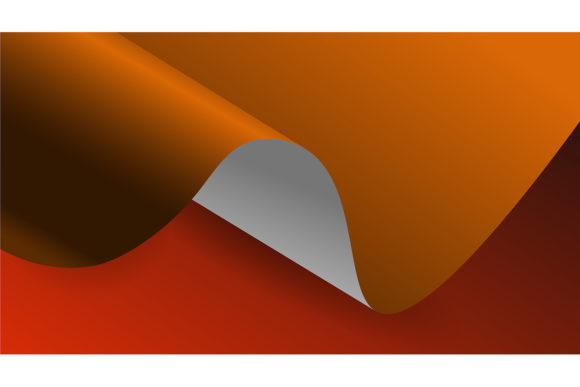
Vector Illustration of 3D Paper: A Versatile Asset for Modern Design Projects
In today’s digital design landscape, having access to high-quality, adaptable graphics is essential. One such asset that has gained popularity among designers and creatives is the Vector Illustration of 3D Paper. This powerful graphic format combines artistic creativity with technical precision, making it a go-to choice for everything from website backgrounds to social media banners. In this article, we’ll explore why this illustration format is so valuable and how you can make the most of it in your projects.
What Makes Vector Illustration of 3D Paper Unique?
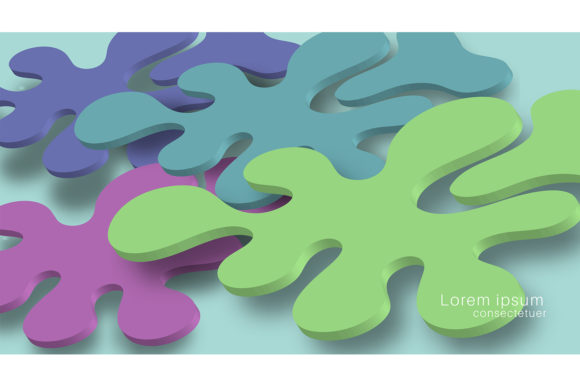
The Vector Illustration of 3D Paper stands out due to its scalable nature and realistic visual appeal. Unlike raster images (like JPEGs or PNGs), vector graphics are made up of paths and points, which means they maintain clarity at any size. This makes them ideal for both small-scale designs and large-format printing.
Additionally, the 3D aspect of these illustrations adds depth and dimension, mimicking the look of real paper in a digital space. Whether you’re designing a greeting card, a poster, or a website layout, the illusion of texture and layering can significantly enhance the overall aesthetic and user experience.
Key Features Included in the Download
- Vector EPS 10 File: The main file provided is in Adobe Illustrator-compatible EPS 10 format. This ensures that every element remains editable and retains quality no matter how you scale it.
- 100% Vector Graphics: Every detail in the illustration is created using vector paths, giving you full control over shapes, lines, and colors.
- Sample Preview in JPEG: Before diving into the vector file, you can preview what the final product will look like using the included JPEG image. This helps in setting expectations and planning the integration into your project.
- Edit All Object Colors: With the ability to change colors of individual objects, you can customize the design to match your brand identity or project theme effortlessly.
Why Use Vector Illustration of 3D Paper in Your Work?
Designers across various industries are increasingly turning to the Vector Illustration of 3D Paper because of its flexibility and professional appearance. Here are some reasons why this illustration format is becoming indispensable:
- High Scalability: Because it's vector-based, the illustration won’t lose quality when resized. This is especially important for logos, icons, and background elements that may need to be used on different platforms and screen sizes.
- Easy Customization: When opened in Adobe Illustrator, each object can be manipulated independently. You can adjust colors, add gradients, or even reshape parts of the design to suit your needs.
- Professional Look: The 3D paper effect gives your design a tactile, handcrafted feel without requiring physical materials. It adds sophistication and elegance, perfect for branding or creative content.
- Time-Saving: Instead of creating complex 3D effects from scratch, you can use pre-made illustrations as a base and build upon them quickly. This accelerates the design process while maintaining quality.
Industries That Benefit from This Graphic Format
Several industries find immense value in incorporating the Vector Illustration of 3D Paper into their workflows:
- Graphic Design: Ideal for flyers, brochures, and posters where a clean yet textured background can elevate the design.
- Web Development: Perfect for background textures, UI elements, or decorative accents that don’t compromise loading speed or resolution.
- Social Media Management: Helps create visually engaging posts, story templates, or cover images that stand out in crowded feeds.
- Print Media: Whether for magazine covers or packaging, the crisp edges and customizable colors ensure print-ready quality.
- Digital Marketing: Offers a fresh way to present information through banners, infographics, and promotional cards that catch attention.
Practical Uses of the Vector Illustration of 3D Paper
The versatility of the Vector Illustration of 3D Paper means it can be applied in numerous ways. Let’s take a closer look at some of the most common uses and how they benefit from this type of graphic:
Backgrounds
Using a 3D paper illustration as a background can instantly give your design a unique personality. It works well for minimalist layouts where the background supports the content without overwhelming it. Its subtle texture can also help reduce eye strain on screens, especially for long-form web pages or e-books.
Social Media Content
On platforms like Instagram, Facebook, or LinkedIn, first impressions matter. A Vector Illustration of 3D Paper allows you to craft eye-catching thumbnails, story headers, and post overlays. Since the file is fully editable, you can tailor the design to fit specific dimensions or color schemes required by each platform.
Graphic Design Projects
From business cards to presentations, this illustration serves as a foundational element. Its layered structure lets you add text, images, or other design components seamlessly. For example, placing company slogans or logos on top of a 3D paper texture can give them an aged or vintage look, adding character and storytelling to your work.
Banners and Posters
Whether you're promoting an event, launching a product, or showcasing a service, the 3D paper effect can make your banner or poster more dynamic. The illusion of depth helps draw the viewer’s eye toward key elements, enhancing readability and engagement.
Wallpapers and Digital Displays
Many users prefer wallpapers that offer a balance between aesthetics and subtlety. A 3D paper illustration provides just that—offering a soft, elegant texture that complements a wide range of styles. It’s particularly popular in creative portfolios, blog sites, and educational platforms looking for a refined visual tone.
Covers and Packaging Designs
Book covers, app interfaces, and product packaging all benefit from the tactile realism of a 3D paper illustration. It can simulate folded paper, torn edges, or stacked layers, helping communicate themes like nostalgia, creativity, or sustainability.
How to Edit and Use the Vector Illustration of 3D Paper
One of the biggest advantages of downloading the Vector Illustration of 3D Paper is the ability to edit it directly in Adobe Illustrator. Here’s a quick guide to get started:
- Open the EPS File: Launch Adobe Illustrator and import the EPS 10 file. You’ll notice that all objects are separated and editable.
- Adjust Colors: Select individual objects and modify their fill or stroke colors. This is great for aligning the design with your brand palette.
- Reshape Elements: Since it's vector-based, you can easily move, resize, or rotate parts of the illustration without affecting quality.
- Add Text or Images: Place your own text or photos on top of the 3D paper background to integrate it into your project. The transparent areas allow for seamless blending.
- Export for Use: Once edited, export the file in your preferred format—PNG for digital use, PDF for print, or SVG for responsive web designs.
This level of customization ensures that the illustration isn't just a static asset but a dynamic part of your creative process.
Considerations Before Choosing a Vector Illustration of 3D Paper
While the Vector Illustration of 3D Paper is incredibly useful, there are a few factors to keep in mind before selecting one for your project:
- Resolution Needs: Even though vectors are scalable, always check if the original artwork includes sufficient detail for your intended use. High-resolution previews can help with this.
- Compatibility: Ensure you have Adobe Illustrator installed to open and edit the EPS file. If not, consider whether another vector editor will support it or if you'll need to rely on the sample JPEG.
- Style Matching: Not all 3D paper illustrations are created equal. Some lean towards modern minimalism, while others embrace vintage or organic aesthetics. Choose one that complements your project’s style.
- License Type: Confirm the usage rights before downloading. Is it for personal use only, or can it be used commercially? Understanding licensing terms avoids legal issues down the line.
Best Practices for Implementation
To maximize the effectiveness of the Vector Illustration of 3D Paper, follow these best practices:
- Use it as a backdrop rather than the focal point, unless the design calls for it.
- Pair it with flat design elements to maintain a cohesive look without clutter.
- Test different color variations to see which ones resonate best with your target audience.
- Ensure proper layering when combining with text or images to maintain legibility and visual hierarchy.
Real-World Examples and Scenarios
Let’s look at a few practical examples of how the Vector Illustration of 3D Paper can be used effectively:
Educational Websites
Imagine a site dedicated to art education. Using a 3D paper illustration as the background creates an inviting atmosphere that mirrors the tactile experience of learning through traditional mediums. Teachers can overlay lesson plans or student work with ease.
Marketing Campaigns
A sustainable product brand might use the 3D paper effect to highlight eco-friendly values. By incorporating the illustration into banners and email headers, the brand reinforces its message visually, connecting with environmentally conscious audiences.
Event Invitations
Weddings, birthdays, or corporate events often require custom invitations. The 3D paper format can be printed as is or modified to include names, dates, and locations. It offers a premium look without the cost of actual textured paper.
Mobile App Interfaces
App designers frequently use 3D paper illustrations to mimic paper-like buttons or menus. These elements provide a sense of familiarity and comfort, encouraging user interaction and reducing cognitive load.
Final Thoughts on Integrating Vector Illustration of 3D Paper
The Vector Illustration of 3D Paper is more than just a design trend—it's a tool that bridges the gap between digital and physical aesthetics. Its adaptability, combined with the power of vector editing, makes it suitable for a broad spectrum of applications. From digital displays to printed materials, it enhances visual storytelling and design flexibility.
If you're working on a project that requires a touch of realism and creativity, consider incorporating this versatile illustration format. It’s a smart investment for anyone who wants to stay ahead in the fast-paced world of design. Just remember to choose a high-quality version that meets your needs and to understand the licensing agreement before using it in production environments.